TL;DR
Several artists accused fashion brands of using their murals without asking, and went to court. This roundup follows each case: what the artist claimed and how it ended. The outcomes matter because a settlement or dismissal does not establish a rule for the next dispute.
The short answer: artists sue, brands settle, courts stay quiet
Graffiti artists have sued fashion brands that printed their murals on clothing or posed models in front of them, and the documented cases mostly ended in settlements, not rulings. Roberto Cavalli and Moschino lost early motions, American Eagle settled soon after being sued, and H&M filed first against Revok, then dropped the suit within a week. In none of the four did a court decide whether graffiti painted without permission has copyright.
This is a roundup of what happened, not legal advice. Each case below links to its sources, and where the record is thin, the post says so.
It is one part of a larger series on graffiti lawsuits against brands. The argument behind the series is in Is graffiti art? What brand budgets say: cities pay to remove the look while brands pay to use it, or end up paying for having used it.
Roberto Cavalli: signatures chopped and rearranged
Jason Williams (Revok), Victor Chapa (Reyes) and Jeffrey Rubin (Steel) sued over a mural they painted in San Francisco. Law professor Rebecca Tushnet’s summary of the ruling says the complaint alleged that the defendants photographed the mural in high resolution and printed the images on Just Cavalli clothing, sometimes with the Just Cavalli name over them. The artists said the “Revok” and “Steel” signatures were rearranged until nobody could read them, while the rest of the imagery stayed intact.
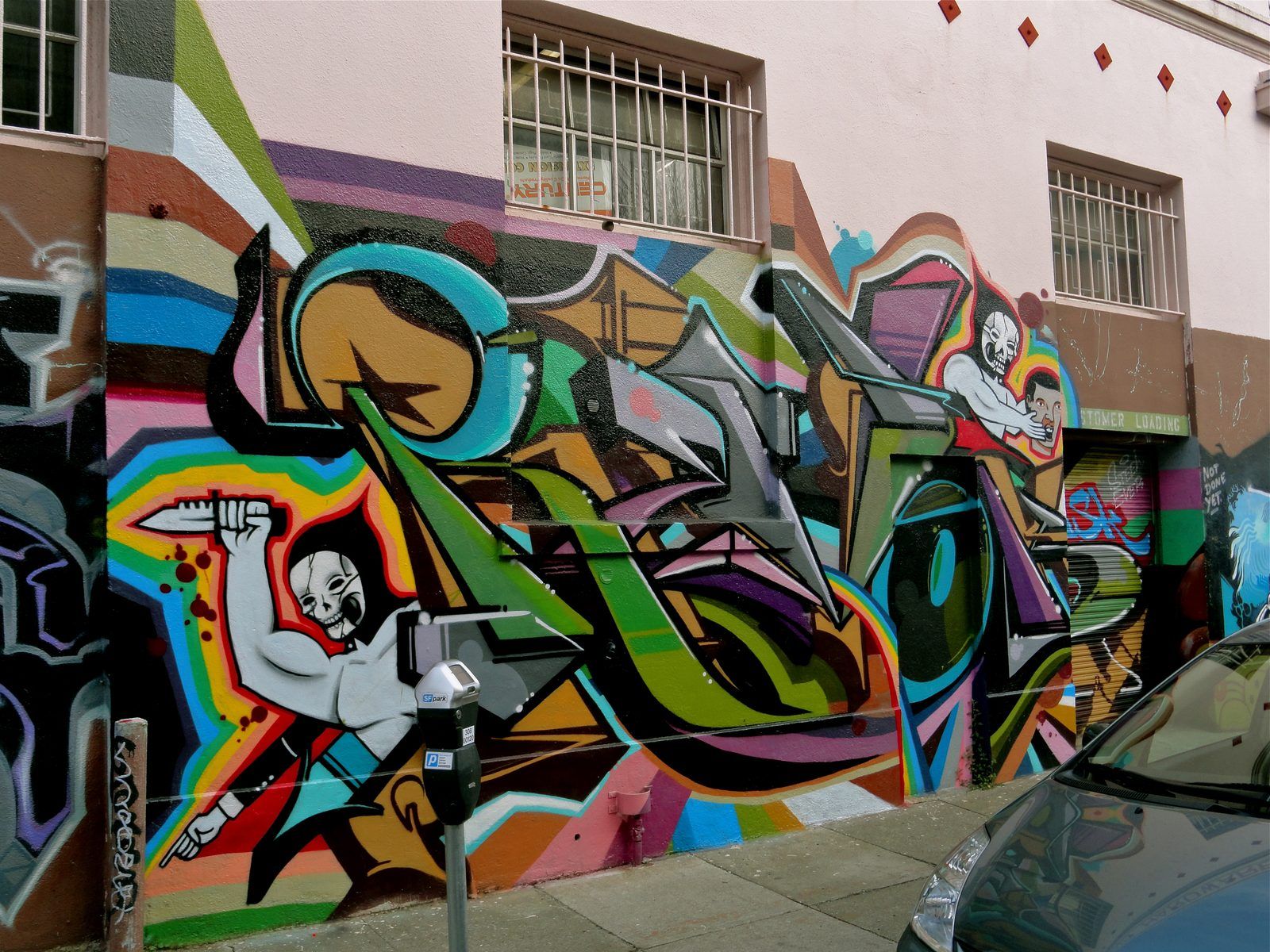

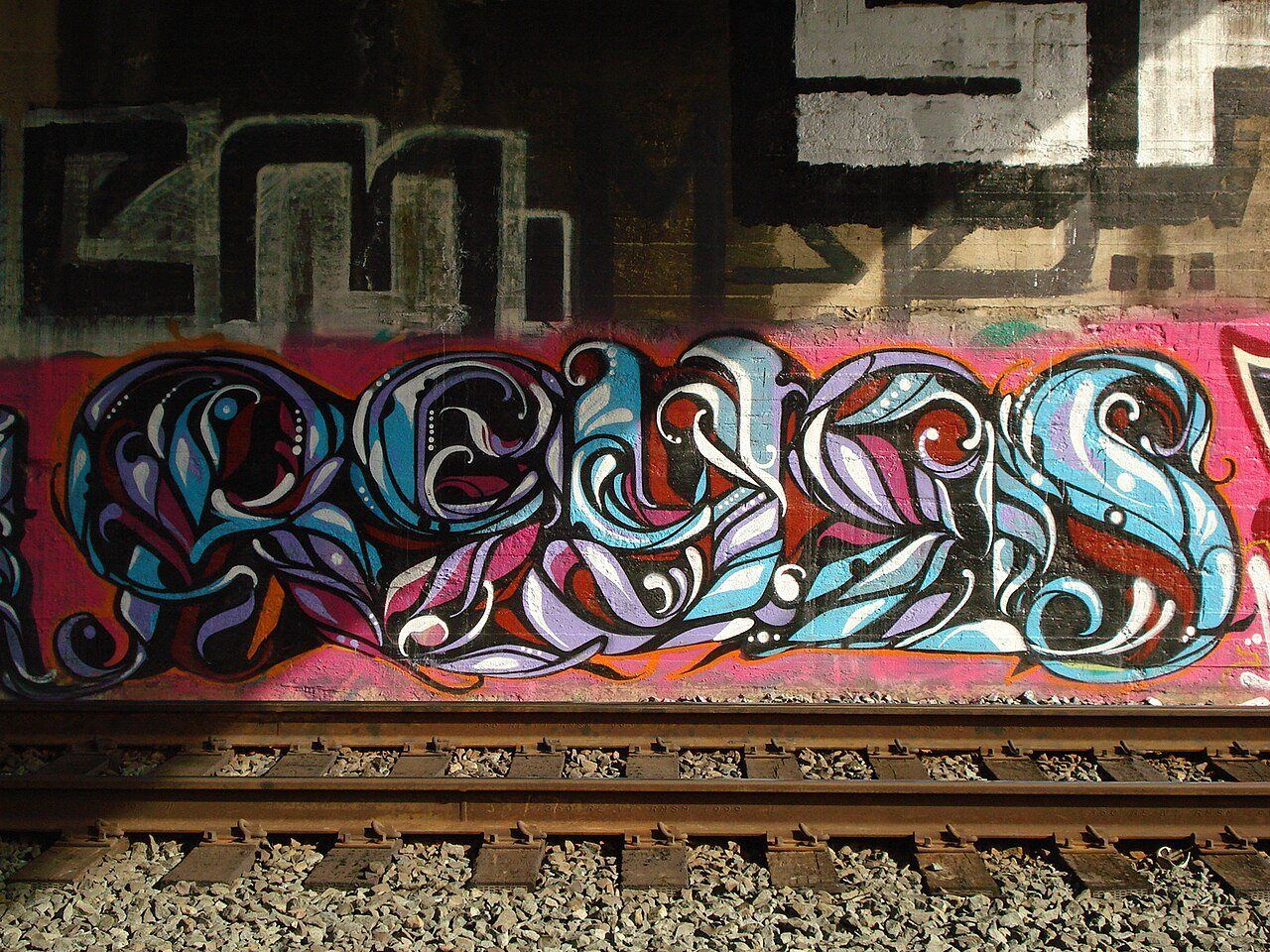

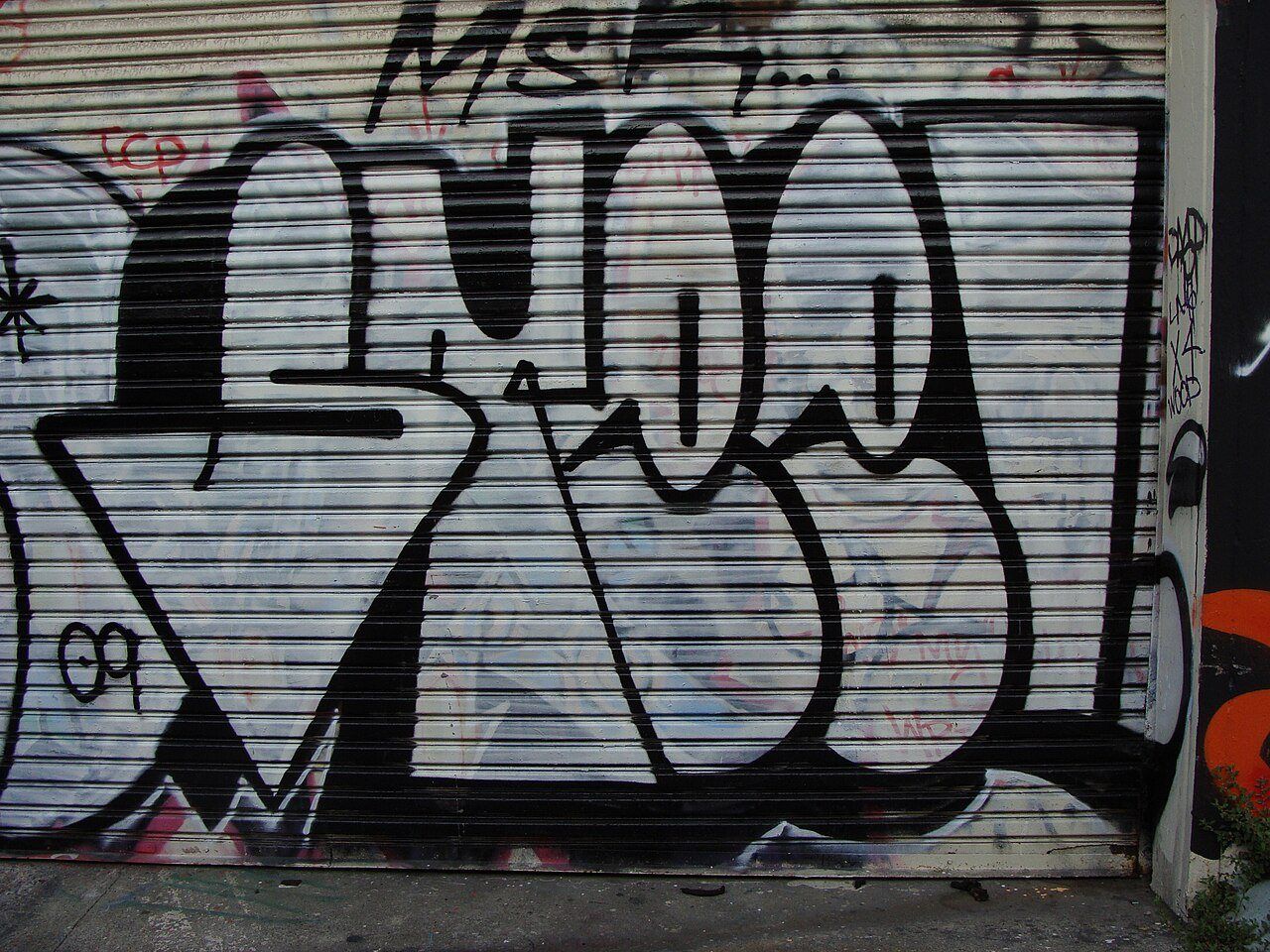

The case is Williams v. Roberto Cavalli S.p.A., No. 14-cv-06659 in the Central District of California. The Fashion Law reports it was filed in August 2014 over the Just Cavalli Spring/Summer 2014 collection. Nordstrom, Amazon.com and Zappos.com were named alongside Cavalli’s licensee, Staff USA. Cavalli denied the allegations and said it would defend itself.
On 12 February 2015 the court rejected a motion by some defendants to dismiss every claim except copyright infringement, which they had not challenged. Tushnet reports three points from the ruling:
- Signatures under the artists’ pseudonyms could count as copyright management information, even though they were not applied digitally.
- Copying only part of a mural could still plausibly remove that information, because the signatures were allegedly rearranged beyond recognition.
- Chapa’s unfair competition claim, a claim that the clothes created a false impression of his involvement, could go forward.
The Fashion Law says that about a year and a half after filing, the artists voluntarily dismissed the case after a settlement with confidential terms. No amount has been reported.
Moschino and Jeremy Scott: a deal, a collapse, a second deal
Joseph Tierney, who paints as Rime, sued Moschino and its creative director Jeremy Scott in August 2015, FashionUnited reports, in a seven-claim suit. The ABA Journal describes the claims: copyright and trademark infringement, negligence, California unfair competition and appropriation of name and likeness. The target was his Detroit mural “Vandal Eyes”, allegedly used on a dress Katy Perry wore to a gala, and his “Rime” tag, allegedly used in a clothing collection.
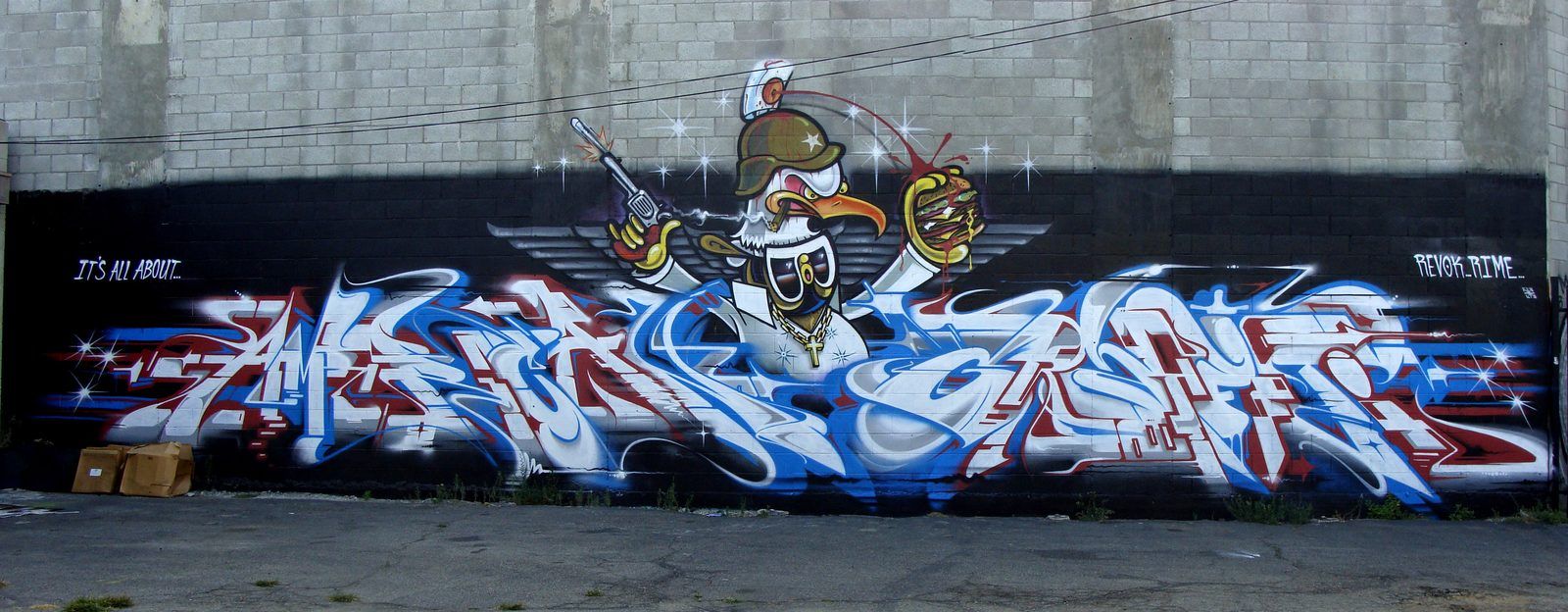
Judge Stephen Wilson ruled on 13 January 2016. Moschino and Scott had asked to dismiss the suit partly under California’s anti-SLAPP law, which protects defendants from suits aimed at free expression. The judge found the fashion line concerned an issue of public interest, but refused to dismiss because Tierney had shown a probability of success on the merits, the ABA Journal reports.
What happened next is told by The Art Newspaper in May 2016:
- On 19 April the two sides told the court they had an agreement in principle.
- In early May court papers said talks had broken down. Tierney’s lawyers blamed new demands from Scott, while Scott’s lawyers said the deal was only between Tierney and Moschino and he had not agreed to it.
- The defendants’ summary judgment motion called the mural vandalism and argued that it made no sense to protect work created illegally. Tierney said he had permission to paint it as part of a project to reduce blight in Detroit.
FashionUnited then reported the case settled, citing WWD, quoting Tierney as saying he was glad it was settled. Financial terms were not disclosed, and Moschino told the court that not all terms had been agreed yet. No court ruled on the vandalism argument, so it stays unanswered.
American Eagle: the model with the spray can
David Anasagasti, a Miami artist who paints as Ahol Sniffs Glue, sued American Eagle Outfitters in New York federal court in July 2014. The complaint file is catalogued as S.D.N.Y. case 14-cv-5618. WLRN’s report on the filing says he alleged the retailer used his murals in the Wynwood district as backdrops for ads selling shorts and T-shirts, without payment or credit, in the United States, Panama, Colombia and Japan. He sought unspecified damages, an injunction and attorney’s fees.
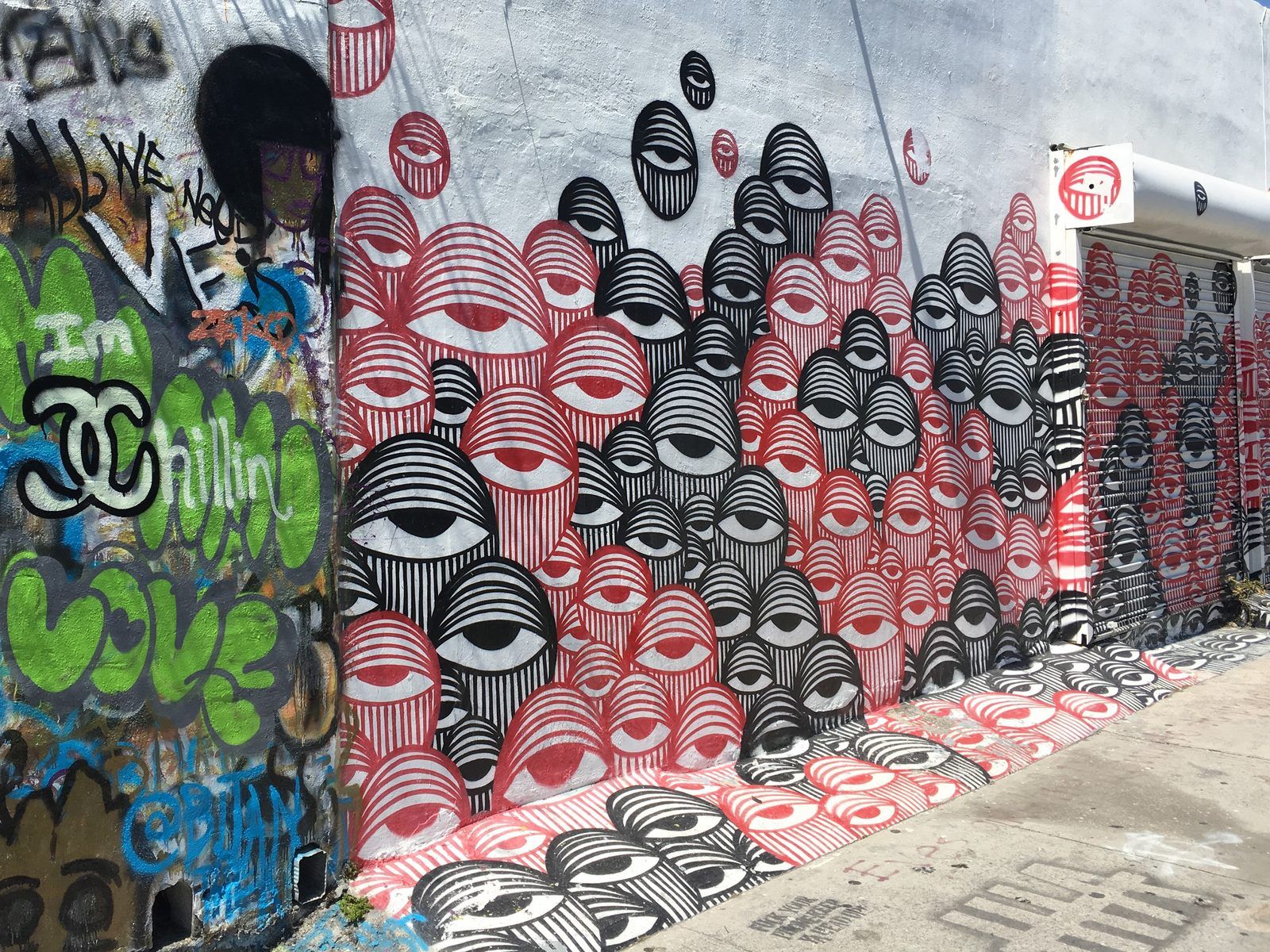
One detail in the complaint, as WLRN reports it, shows why artists take these uses personally. One ad showed a model holding a spray paint can near his mural. The suit argued that this implied the model had painted it, not Anasagasti. Fish & Richardson’s art law post from September 2014 describes the claim in similar terms: use of a Miami facade mural in a widespread media and advertising campaign without his approval.
Plagiarism Today reported on 2 December 2014 that the two sides had settled before trial, relaying the Miami New Times. Terms were not disclosed, and the post says it was widely believed American Eagle paid something but that this was not confirmed. The amount is unknown. The sources also differ on the mural’s title.
H&M: the brand that sued first
H&M reversed the usual order. According to Grossman LLP’s art law blog, H&M shot a promotional video in fall 2017 at a public handball court in Brooklyn where a Revok mural was visible. Revok sent a cease-and-desist letter in January 2018 alleging copyright infringement and threatening other claims. Hyperallergic’s report places the mural in William Sheridan Playground in Williamsburg and says the city’s Parks Department confirmed it was unauthorized.
On 9 March 2018, H&M filed H&M v. Williams, No. 18-cv-01490, in the Eastern District of New York. It asked the court to declare that Williams had no enforceable copyright in the mural and that its use was not infringement. Grossman summarizes H&M’s reasoning this way: because the graffiti came from criminal conduct, he had no copyright to assert, and copyright is a privilege that does not extend to illegally created works. Hyperallergic reports that H&M’s lawyer made the same “privilege” point in a January 26 email.
Public criticism followed, including calls for a boycott, per Grossman. H&M said on 15 March that it should have acted differently and was withdrawing the complaint. Revok’s lawyer, Jeff Gluck, first said he had not been told and that H&M’s counsel had said it was not dismissing the case. Hyperallergic then reported that court records showed a voluntary dismissal on 16 March 2018. No court ruled.
Some summaries say H&M and Revok “settled”. The court record shows a voluntary dismissal and no settlement terms, so “settled” is not supported.
What the four cases have in common
The brand used the look or the actual work. In Cavalli, the allegation was a photographed mural printed on clothing. In Moschino, a mural and a tag. In American Eagle and H&M, real murals served as backdrops. These are not “graffiti style” cases: each artist pointed to a specific piece that appeared in a brand’s product or marketing.
The artists’ leverage was the signature and the false impression. The Cavalli ruling let the claim about the removed signatures go forward, and the Anasagasti complaint stressed the model and the spray can. In both, the argument was not only copying but who the public would think made the work.
The endings are private. Cavalli, Moschino and American Eagle settled with undisclosed terms, and H&M dropped its suit. That is why nobody outside the cases knows what any of these artists received, or whether a brand paid. One more filing, the 2017 suit by Rime and three other artists against Camuto over Brooklyn murals in a Spring/Summer 2017 campaign, is in the record, but The Fashion Law reported no outcome, and none has been reported since.
What these cases do not settle
The H&M and Moschino cases did not settle whether a brand may reproduce an unauthorized mural without the artist’s permission. Both brands challenged protection, and neither argument reached a ruling in those cases. Grossman LLP wrote in 2018 that the copyright statute has no text excluding such works, that those disputes had left the question unanswered, and that most graffiti copyright cases have settled, so courts rarely get to decide.
A related question is about copying a style rather than a specific piece, which is a different fight. I cover it in Hayuk v. Starbucks: can you copyright a style?, and the broader question is in can you copyright graffiti. Work that was commissioned or permitted sits on firmer ground, as the 5Pointz case under the Visual Artists Rights Act shows.
Revok, for his part, has two documented brand disputes, Cavalli and H&M.
What artists and brands can take from it
These are observations from the cases, not legal advice. Talk to a lawyer about a real situation.
- For artists: in the Cavalli case the court let the claim about the rearranged signatures go forward, so a signature on the work mattered. The Fish & Richardson post adds that artists can more readily stop copying than stop an owner from altering a building.
- For brands: the H&M episode shows the cost of a hard line. The company filed against an artist who had only sent a letter, and withdrew within a week after public reaction, saying it should have acted differently.
- For everyone: a settlement tells you little. These four left no price and no rule. If you want to know what a graffiti look is worth to a brand, the confidential endings mean the public record cannot say.
I work in digital marketing in Los Angeles and paint myself, so I read these cases from both sides. As I see it, the pattern fits the series thesis: the look is attractive enough for brands to print on clothing and shoot ads in front of, yet in the H&M case the brand’s first move was to argue the artist had no rights. That is my reading, not something the sources state.
Artists mentioned
The artists and estates named in this post, with their own sites and Instagram accounts where I have confirmed them:
- Ahol Sniffs Glue: website, Instagram
- Maya Hayuk: website, Instagram
- Revok: website, Instagram
- Reyes
- Rime
- Steel
Sources
Retrieved 2026-10-30. Where a source is secondary, the text above says so.
- Rebecca Tushnet, Copying graffiti could infringe copyright and trademark, Tushnet blog, 2 March 2015 (summary of Williams v. Roberto Cavalli S.p.A., C.D. Cal., 12 February 2015).
- The Fashion Law, Graffiti artists are increasingly lawyering up to fight fashion copycats, 10 July 2017.
- ABA Journal (Debra Cassens Weiss), report on the ruling refusing to dismiss Tierney’s suit against Moschino, 19 January 2016.
- The Art Newspaper (Laura Gilbert), report on the Moschino settlement collapse, 17 May 2016.
- FashionUnited, report on the Rime and Jeremy Scott settlement with Moschino, 2016 (the page shows no date; the address suggests 1 July 2016).
- WLRN, report on the Anasagasti suit against American Eagle, 29 July 2014.
- Fish & Richardson (Kristen McCallion), law-firm blog post on copyright protection for graffiti, 25 September 2014. The complaint is listed at fr.com (docket number 14cv5618, from the file name).
- Plagiarism Today (Jonathan Bailey), 3 Count: Street Settlement, 2 December 2014 (relaying the Miami New Times).
- Grossman LLP (Kate Lucas), H&M raises, and then drops, a lawsuit about graffiti and copyright law, Art Law Blog, 21 March 2018.
- Hyperallergic (Claire Voon), report on H&M’s lawsuit against Revok, 15 March 2018 (updated 16 March 2018).
Frequently asked questions
Did Revok sue H&M?
No. H&M sued Revok first. After Revok's lawyers sent a cease-and-desist letter about a Brooklyn playground mural that appeared in an H&M shoot, H&M filed a complaint in the Eastern District of New York on 9 March 2018, asking the court to declare that he had no enforceable copyright. After public criticism it said it should have acted differently, and the case was voluntarily dismissed on 16 March 2018. No court ruled.
Did Roberto Cavalli settle with the graffiti artists?
Yes, according to The Fashion Law. Jason Williams (Revok), Victor Chapa (Reyes) and Jeffrey Rubin (Steel) sued in August 2014 over a mural printed on Just Cavalli clothing. About a year and a half later they voluntarily dismissed the case after a settlement. The terms were confidential, so no amount is public.
What happened in Rime v. Moschino?
Joseph Tierney, known as Rime, sued Moschino and its creative director Jeremy Scott in August 2015 over his Detroit mural on a dress Katy Perry wore. On 13 January 2016 the judge refused to dismiss the case under California's anti-SLAPP law. A deal announced in April 2016 fell apart in May, and by early July the case was reported settled. Financial terms were not disclosed.
Is illegally painted graffiti protected by copyright?
No court has answered that in these cases. H&M argued it is not, Moschino made a similar argument, and both cases ended before a ruling. The law firm Grossman LLP wrote in 2018 that the Copyright Act has no text excluding such works and that the question remains unanswered. This post reports cases and is not legal advice.
Did American Eagle copy a street artist's mural?
David Anasagasti, who paints as Ahol Sniffs Glue, alleged so in a federal complaint filed in New York in July 2014. He said the retailer used his Miami murals as ad backdrops and showed a model holding a spray can in front of one, which he said implied the model painted it. Reports in December 2014 said the case settled on confidential terms. These were allegations, not findings.
Can a brand use graffiti in an ad without permission?
The cases here show artists will sue when it happens, and that three of the four brands ended up settling on undisclosed terms. Whether a given use is lawful depends on the facts, so ask a lawyer. This post reports what happened and gives no legal advice.
Why do graffiti copyright lawsuits usually settle?
The reports do not give reasons. They do show a pattern: Cavalli, Moschino and American Eagle settled with undisclosed terms, and H&M dropped its suit. Grossman LLP noted in 2018 that most graffiti copyright cases have settled, so courts rarely get to answer the open question.
Does Revok have other lawsuits against brands?
Two are documented: the Cavalli suit he brought in 2014 and the H&M suit H&M brought against him in 2018.